
-
ABOUT
-
SERVICE
-
Hospital
- Cardiac Surgeries
- Cardiology Department
- Computerised Pathology Department
- Computerized Tomography
- Critical Care and Trauma Unit
- Digital X-Ray Department
- Emergency And Critical Care
- Endoscopy and Colonoscopy Department
- ENT
- Eye Clinic
- General Surgery
- ICCU & HDU
- Minimally Invasive Surgery
- MRI - 1.5 Tesla
- MRI Department
- Neurology
- Orthopedics and Joint Replacement
- Pediatrics and Neonatal Care
- Stroboscopy
- TRUE-CUT BIOPSY
- Ultrasound Department
- Uroflometry
- Urology
- Obstetrics and Gynecology
Doctors
- Cardiology
- Dentistry
- Dermatology
- Dietician
- Endocrinology & Diabetology
- ENT
- Eye
- Gastroenterology
- General Medicine
- General Physician
- General Surgery
- Gynecology
- Hematology
- Nephrology
- Neuro Surgery
- Neuro-Psychiatry
- Neurology
- Oncology
- Orthopedic Surgery
- Pathology
- Pediatric Neurology
- Pediatric Surgery
- Pediatrics
- Psychotherapy And Counselling
- Pulmonology and Chest Medicine
- Rheumatology
- Urology
-
- CONTACT US


18
Oct
Precautions To Take with a Newborn Amid COVID-19
The COVID-19 pandemic outbreak has been an especially precarious time for the mothers, both expecting and the ones who have just delivered. For the women who have successfully brought their newborns into the world, there may be several precautions that they may have to take to prevent their newborns from contracting the virus.
This article will act as a comprehensive guide into the preventive measures that a mother aims to implement in the first few months with the newborn baby.
Debunking Common Misconceptions in Neonatal Care
Understanding how the virus spreads has been nothing short of challenging, especially when it comes to transmission between mother and child. An expecting mother is bound to worry about contracting the virus. Therefore, it is important to debunk certain beliefs that mothers tend to have during this time.
Most healthcare professionals agree that the chances of transmission between the mother and a fetus tend to be very slim, meaning that babies are usually born without contracting the virus.
The other common misconception is that breastfeeding the baby if the mother is COVID positive will infect the baby with the virus. This is false as there are conclusive studies that have found no trace of the virus in breast milk.
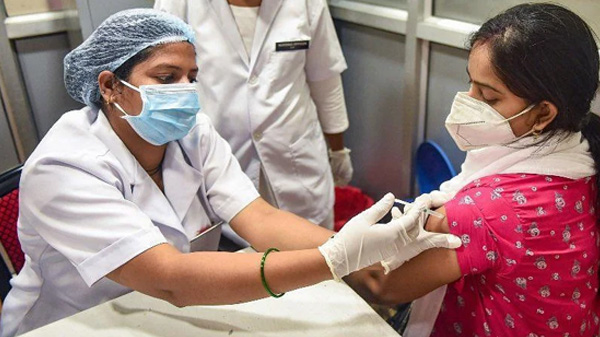
There has also been an air of uncertainty surrounding the risks of taking the vaccine while breastfeeding. Most studies and even a Government-issued mandate state that it is safe to take the COVID 19 vaccine while breastfeeding as the child will not be infected. Therefore, pregnant and breastfeeding women can be administered the vaccine without fearing dangerous side effects in most cases.
Important Precautions To Introduce During COVID-19 With a Newborn
The time that an expecting mother spends in the hospital before the delivery can expose them to the virus more than ever before. Therefore, a mother should look to implement the following precautions when they are around their newborns:
This article will act as a comprehensive guide into the preventive measures that a mother aims to implement in the first few months with the newborn baby.
Debunking Common Misconceptions in Neonatal Care
Understanding how the virus spreads has been nothing short of challenging, especially when it comes to transmission between mother and child. An expecting mother is bound to worry about contracting the virus. Therefore, it is important to debunk certain beliefs that mothers tend to have during this time.
Most healthcare professionals agree that the chances of transmission between the mother and a fetus tend to be very slim, meaning that babies are usually born without contracting the virus.
The other common misconception is that breastfeeding the baby if the mother is COVID positive will infect the baby with the virus. This is false as there are conclusive studies that have found no trace of the virus in breast milk.
There has also been an air of uncertainty surrounding the risks of taking the vaccine while breastfeeding. Most studies and even a Government-issued mandate state that it is safe to take the COVID 19 vaccine while breastfeeding as the child will not be infected. Therefore, pregnant and breastfeeding women can be administered the vaccine without fearing dangerous side effects in most cases.
Important Precautions To Introduce During COVID-19 With a Newborn
The time that an expecting mother spends in the hospital before the delivery can expose them to the virus more than ever before. Therefore, a mother should look to implement the following precautions when they are around their newborns:
- Frequent Handwashing
It is essential that at this juncture, mothers follow hand washing and other COVID protocols rules strictly. According to most healthcare professionals, there are chances that the baby is prone to contracting the virus from the mother through other means. This can happen if the mother touches a surface that has the virus and then touches the mouth or around the eye region of her baby.

Pandemic outbreak in a hospital, almost all the commonly touched surfaces like doorknobs and other surfaces host a range of pathogens. Therefore, a mother should frequently wash her hands for 20 seconds covering all the nooks and crannies of one’s hands. In addition to this, hand sanitizers containing 60% alcohol or more should be used.
Pandemic outbreak in a hospital, almost all the commonly touched surfaces like doorknobs and other surfaces host a range of pathogens. Therefore, a mother should frequently wash her hands for 20 seconds covering all the nooks and crannies of one’s hands. In addition to this, hand sanitizers containing 60% alcohol or more should be used.
- Wear Masks
For mothers that have tested positive or are even looking to mitigate the risk of transmission, wearing a mask can make a world of difference. Some professionals suggest that the mother should keep a 6 feet distance between themselves and the baby except for breastfeeding and other essential activities.
However, this can prove to be a problem as mothers are meant to be in close contact with their babies. Therefore, one can keep this contact by wearing a mask within 6 feet of their babies.
However, this can prove to be a problem as mothers are meant to be in close contact with their babies. Therefore, one can keep this contact by wearing a mask within 6 feet of their babies.
- Isolate
In the hospital, a mother must ensure that she is isolated from other patients to prevent the chances of coming in contact with sick individuals.
If a mother finds that she must go out with or without the baby, she must still maintain 6 feet distance from every individual while wearing a mask. However, in no condition should the newborn be wearing the mask.
If a mother finds that she must go out with or without the baby, she must still maintain 6 feet distance from every individual while wearing a mask. However, in no condition should the newborn be wearing the mask.
- Restrict Visitors
Once the mother has reached home with her newborn, one will also isolate themselves and the baby from seeing many visitors. By decreasing the number of in-person visitors coming to the house or touching the baby, one will drastically reduce the chances of their newborn contracting the virus from said visitors.
However, having a baby is a time of joy that should be shared with family and friends. Therefore, a mother can have several virtual calls in an effort to show her friends and family her newborn child.
However, having a baby is a time of joy that should be shared with family and friends. Therefore, a mother can have several virtual calls in an effort to show her friends and family her newborn child.
- Post-Delivery Counselling
After the delivery, both the newborn and the mother will still have to make trips to the hospital to carry out tests or vaccinations. Mothers who are suffering from postpartum depression are willing to attend counseling sessions. Therefore, all these visits to the hospital or out of the house are essential and should not be missed on account of COVID.
Although the baby will not be able to wear a mask, the mother should and frequently sanitize her hands.
In addition to this, a mother should limit the time they spend in a waiting room or a closed room while at the hospital or clinic. To do this, one can book an appointment beforehand.
Why Should Babies Not Wear Masks?
Among the many precautions that a mother has to follow during this time, all healthcare professionals are adamant that newborns should not be wearing masks. The reason for this is that newborns tend to have smaller airways in comparison to older toddlers. Therefore, wearing an extra layer of fabric over their mouths and nose will make it much harder for them to breathe.
In the worst-case scenario, this could lead to the child suffocating if they are not able to take it off themselves. Therefore, mothers should refrain from masking their newborns. However, if the child wishes to wear a mask, they can do so after two years old as their airways would have gotten comparatively larger. However, these masks should strictly be cloth masks and not N95 masks.
From the above list of precautions, it is fair to say that taking care of a newborn during this time can be stressful and difficult. However, by implementing these precautions, parents will overcome some of the stress and difficulty that accompanies this time. Another advantage of following these precautions is that parents can look to bond with their newborns even during a pandemic.
Although the baby will not be able to wear a mask, the mother should and frequently sanitize her hands.
In addition to this, a mother should limit the time they spend in a waiting room or a closed room while at the hospital or clinic. To do this, one can book an appointment beforehand.
Why Should Babies Not Wear Masks?
Among the many precautions that a mother has to follow during this time, all healthcare professionals are adamant that newborns should not be wearing masks. The reason for this is that newborns tend to have smaller airways in comparison to older toddlers. Therefore, wearing an extra layer of fabric over their mouths and nose will make it much harder for them to breathe.
In the worst-case scenario, this could lead to the child suffocating if they are not able to take it off themselves. Therefore, mothers should refrain from masking their newborns. However, if the child wishes to wear a mask, they can do so after two years old as their airways would have gotten comparatively larger. However, these masks should strictly be cloth masks and not N95 masks.
From the above list of precautions, it is fair to say that taking care of a newborn during this time can be stressful and difficult. However, by implementing these precautions, parents will overcome some of the stress and difficulty that accompanies this time. Another advantage of following these precautions is that parents can look to bond with their newborns even during a pandemic.